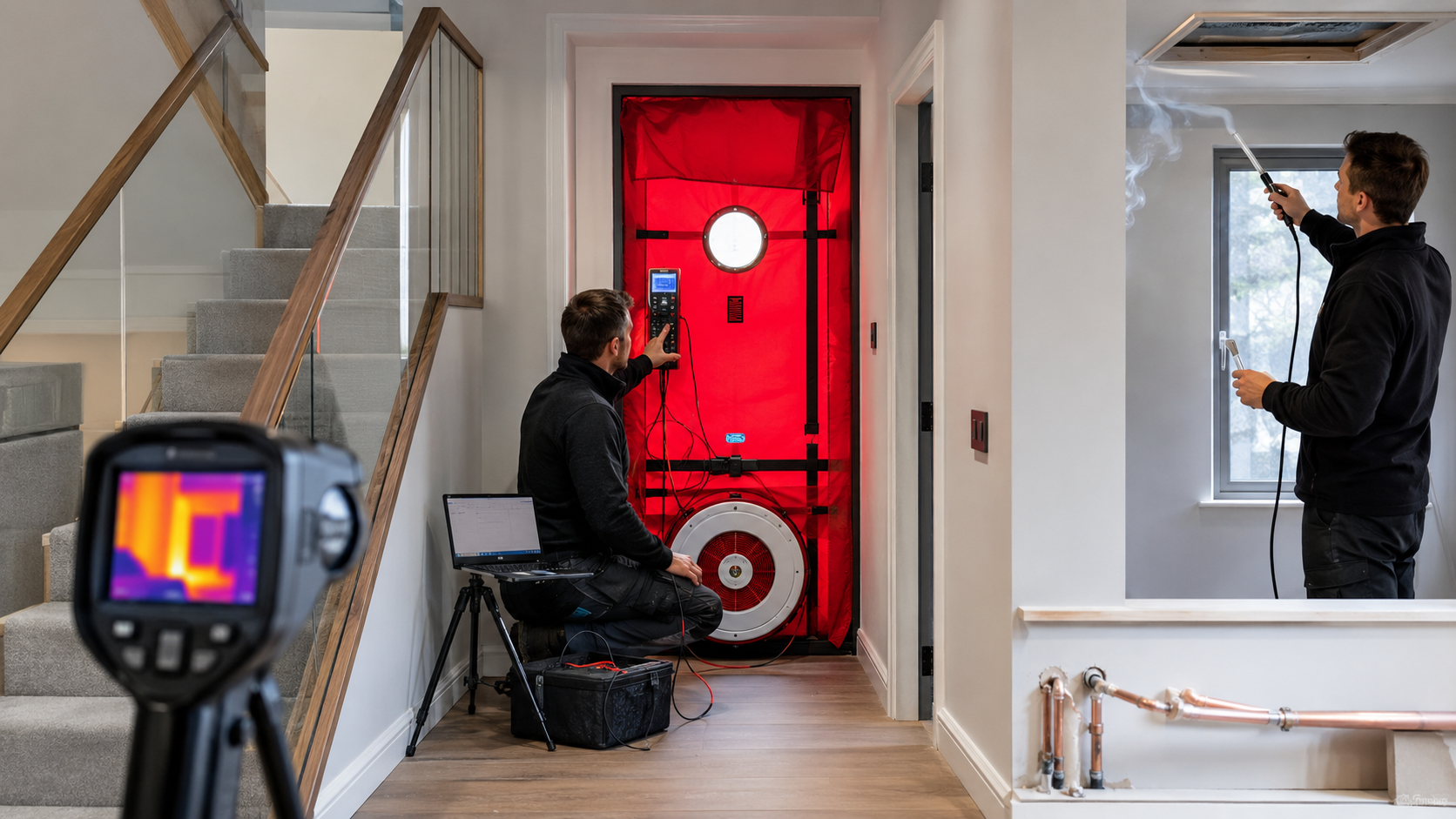
Published: 28.09.2026
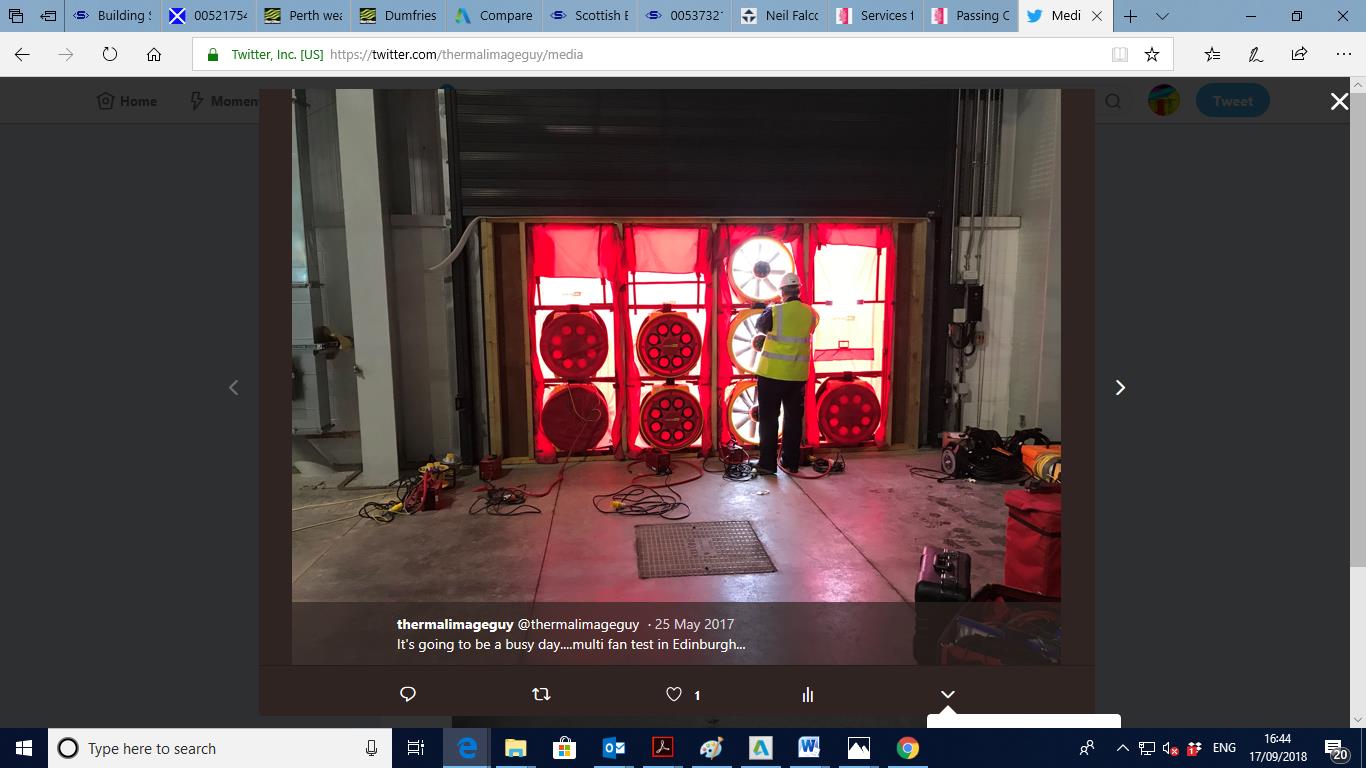
Air tightness testing is used across both residential and commercial buildings, but the equipment needed can vary significantly depending on the size and complexity of the property.
At Thermal Image UK, we use Retrotec blower door test equipment every day and supply their full range to customers throughout the UK. From individual homes to large commercial buildings, choosing the right setup is essential for accurate, efficient air leakage testing.
Published: 31.08.2026
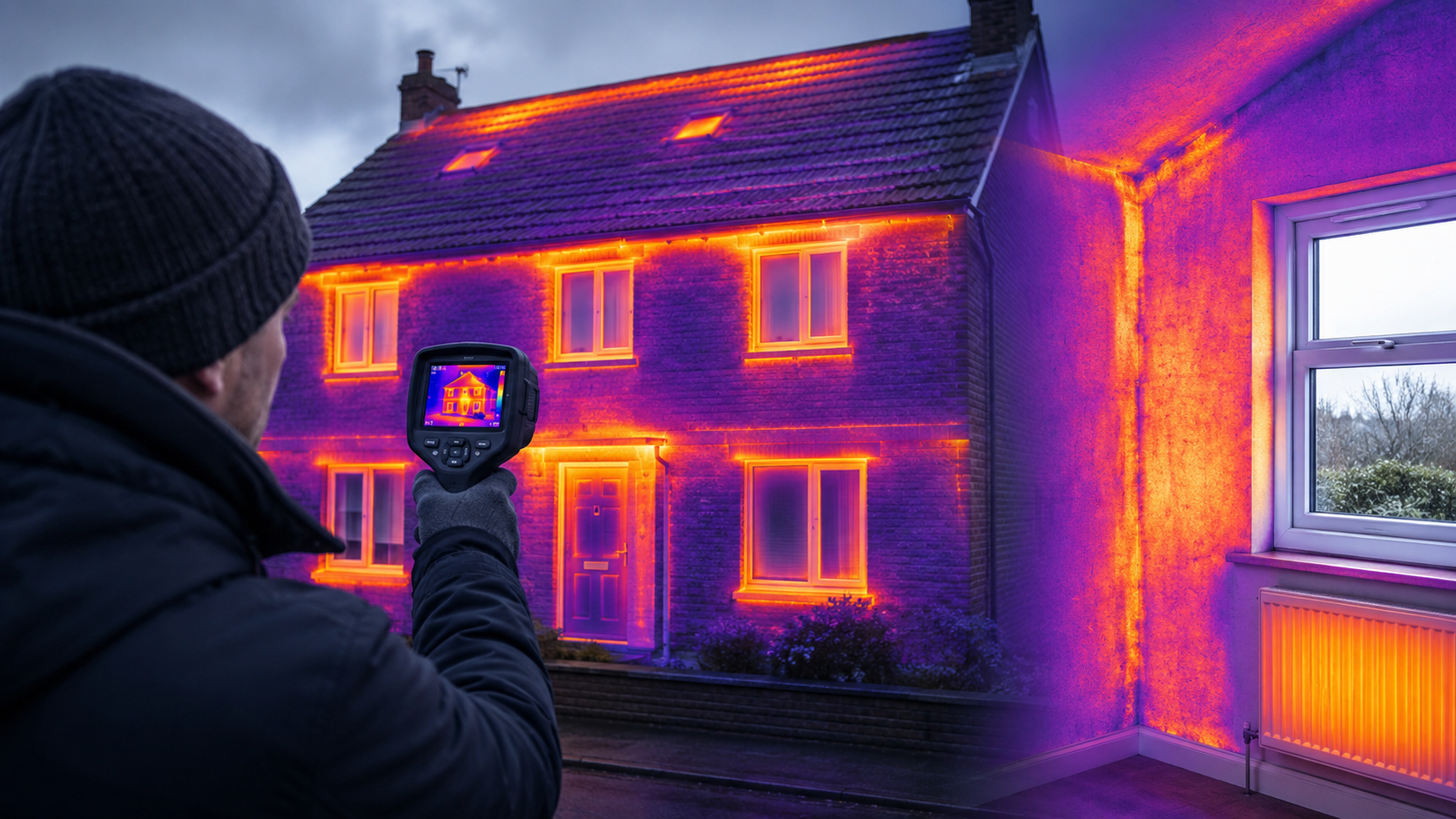
Worried about staying warm this winter? Keeping your home cosy shouldn’t mean constantly turning up the heating. If your property struggles to retain warmth, a heat loss survey can help identify where energy is escaping and what may be causing the problem.
Published: 03.08.2026
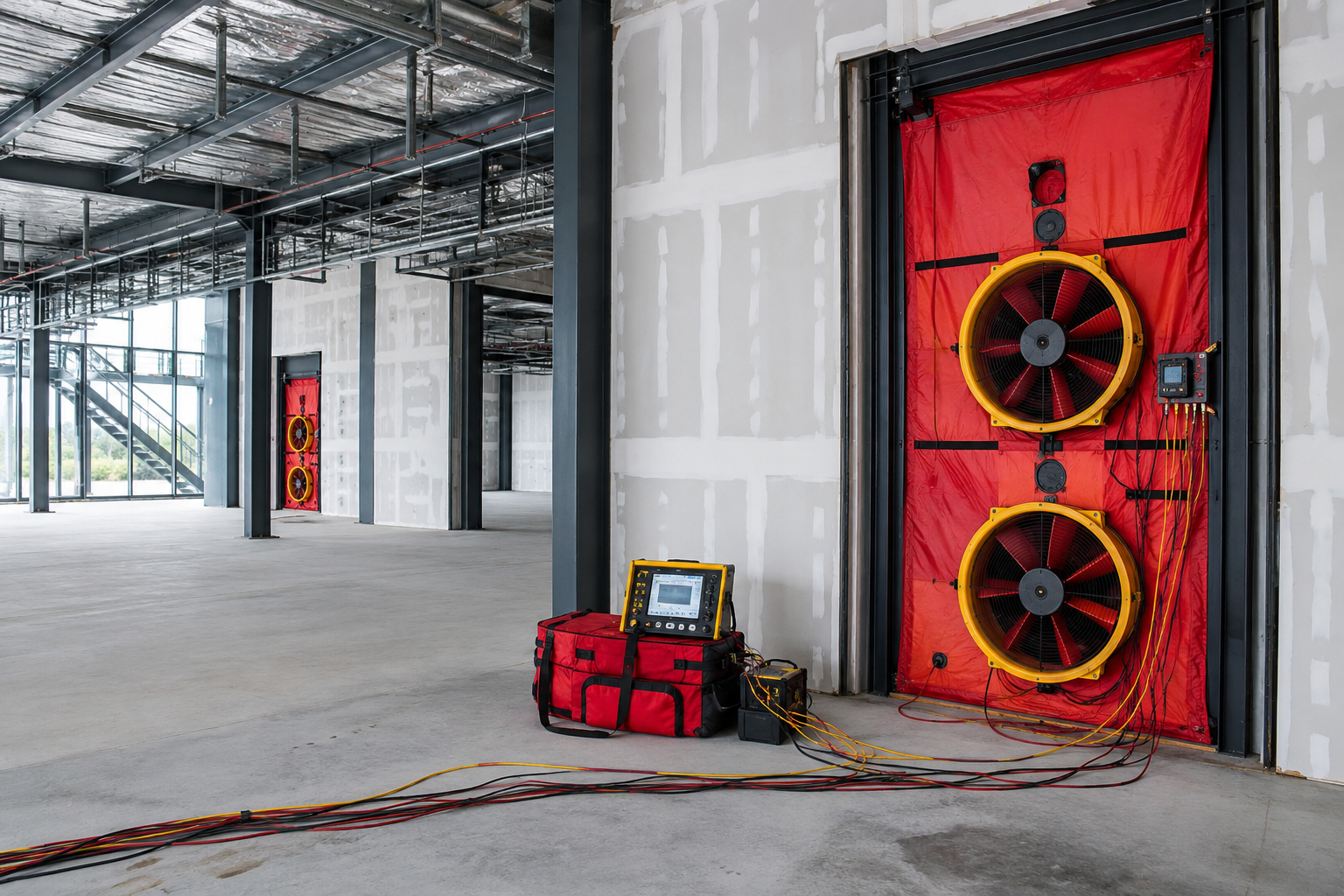
Air tightness testing for larger buildings in Scotland can require much more than a standard single-fan setup. Buildings like warehouses, schools and large commercial buildings often have multiple entrances, extensive service penetrations and complex layouts.
Published: 06.07.2026
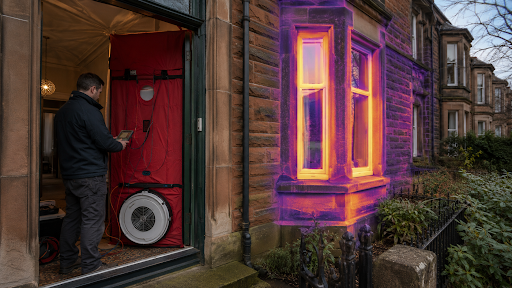
Retrofitting an existing property to a Passivhaus or low-energy standard is a highly effective way to improve how comfortable it is, reduce heat loss and lower long-term energy use.
Published: 08.06.2026
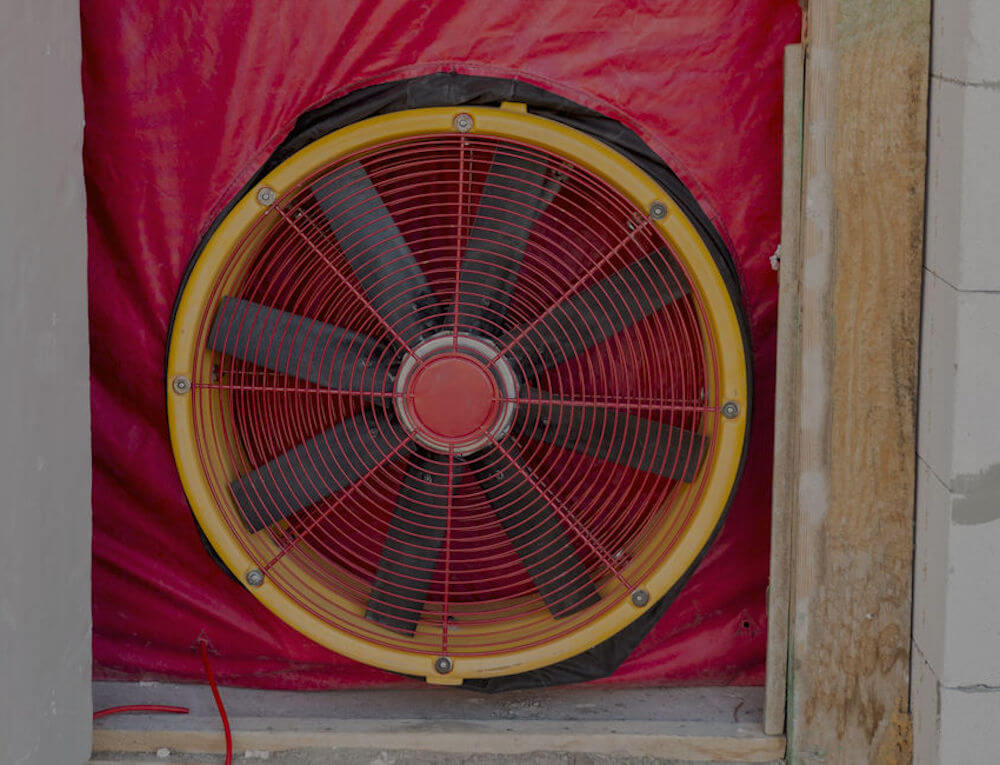
Interim air tightness testing is an air leakage test carried out before a building is fully finished, usually before plasterboard, drylining or final linings are installed. It helps identify leaks in the fabric of a building while they are still easy to access and repair.
Website design by Loudon Web Design