Understanding the Power of Thermal Imaging for Buildings
Published: 24.11.2025
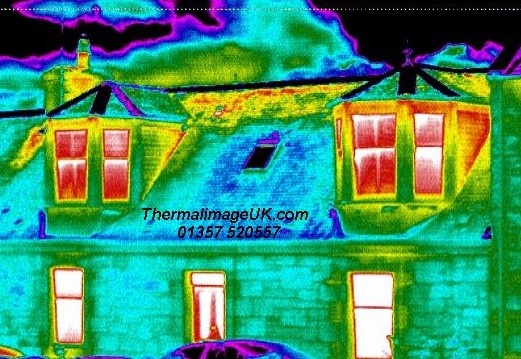
At Thermal Image UK, we believe that every building has a story to tell: one described through patterns of heat, insulation and airflow. By completing thermal imaging for buildings, we can reveal this story clearly. Whether it is a residential property, a commercial site or a heritage structure, identifying where heat is escaping is the first step towards achieving meaningful energy savings, long-term comfort and improved performance.
Buildings are intricate systems. Walls, lofts, roofing elements, glazing, ventilation pathways and mechanical systems all contribute to overall efficiency. Thermal imaging highlights temperature differences across these areas, showing heat loss, air leakage and poorly performing insulation in a visual, easy-to-understand format.
Why Thermal Imaging Matters for Energy Efficiency
For homeowners and businesses alike, understanding heat movement is essential. Heat loss does not merely increase energy bills. It also creates uncomfortable living or working conditions, raises the likelihood of condensation and dampness and may compromise the building’s compliance with performance standards.
Thermal imaging for buildings makes these hidden problems visible. By examining the structure through a thermal lens, you’ll gain the clarity needed to make targeted, cost-effective improvements, rather than guessing or relying on trial and error.
Our Thermal Imaging Process
Our processbegins with a conversation about your property, its construction, its history and any concerns you may have, such as cold spots or persistent condensation. This helps us plan the most informative survey.
We’ll then conduct a full thermal inspection using high-resolution, professional-grade thermal cameras. These devices capture subtle temperature differences, allowing us to scan internal and external surfaces with precision. Surveys are often scheduled at times when the temperature difference between indoors and outdoors is optimal to ensure the most accurate results.
Once the images are collected, our team’s expertise comes into play. Interpreting thermal patterns is a specialist skill and we can expertly analyse each image to identify missing insulation, thermal bridging, draught points and other issues that can’t be detected visually. We then compile a clear, detailed report that includes annotated images and practical recommendations. If you choose to carry out improvements, a follow-up survey can confirm how effective the work has been.
Benefits of Thermal Imaging for Homes and Businesses
Thermal imaging for buildings provides a wide range of advantages. For example, energy savings come from pinpointing where heat is being lost, enabling you to invest in upgrades that deliver immediate and long-term cost reductions; Comfort improves when draughts and cold zones are identified and rectified, creating a more pleasant indoor environment; and the risk of condensation and damp decreases because thermal imaging highlights cold surfaces where moisture is likely to gather.
For commercial clients and developers, thermal imaging also supports compliance with energy efficiency standards and building regulations. Addressing inefficiencies early reduces strain on the building fabric, helping protect its longevity and structural integrity.
Where Thermal Imaging Makes the Biggest Impact
Thermal imaging is beneficial in a wide variety of scenarios. New builds and renovation projects gain reassurance that insulation and air-tightness measures have been installed correctly, whilst older properties, many of which were not designed with modern insulation practices, benefit from clear insight into cost-effective upgrades.
Furthermore, commercial and industrial buildings often have large, complex spaces and high energy use, making thermal imaging a valuable tool for reducing operational expenses. After insulation or window upgrades, thermal imaging confirms that the improvements are performing as intended. Regular maintenance programmes also benefit from early detection of hidden issues such as leaks or failing heating systems.
Choosing the Right Thermal Imaging Partner
When selecting a service provider, experience and knowledge of building construction are essential. Thermal imaging results are only valuable when interpreted correctly, so working with a professional such as ourselves who understands traditional and modern building methods ensures you receive accurate, reliable information.
Equipment quality matters too. High-specification thermal cameras produce clearer and more detailed results. Reports should be comprehensive yet easy to understand, with actionable recommendations. Accreditation and responsive service further enhance confidence, especially where timelines are tight.
The Future of Building Performance
As energy costs rise and environmental targets evolve, thermal imaging for buildings is becoming an essential tool in improving energy efficiency. Building owners who adopt a proactive approach gain a competitive advantage, reducing waste, improving indoor comfort and supporting sustainability goals.
Rather than waiting for issues to appear, thermal imaging provides a clear, efficient way to understand a building’s performance, protect its structural health and plan future improvements with confidence.
Start Your Thermal Imaging Survey with Us
At Thermal Image UK, we are ready to help you take the next step towards a more efficient, comfortable building. Whether you want to reduce energy costs, prepare a property for sale, enhance a commercial space or simply gain a better understanding of how your building performs, we can provide a professional, tailored thermal imaging survey.
Get in touch with us to discuss your property, your concerns and the improvements you would like to achieve. Together, we can uncover the hidden thermal patterns within your building and guide you towards smarter, more effective energy performance.